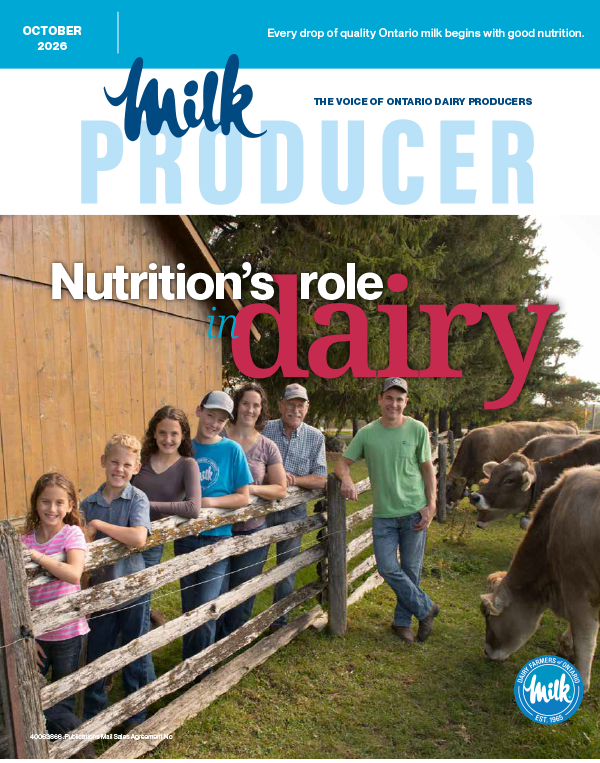
On The Cover:
Nutrition's role in Dairy
When Simon and Kristina Signer decided to incorporate a compost pack into their new barn design and transition their Brown Swiss herd to a robotic milking system, they encountered plenty of skepticism.
The Signers listened and considered every concern but moved forward with their plan anyway.
More from this issue
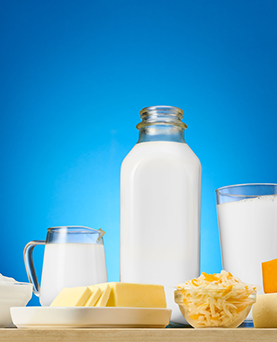
Dairy in a new nutrition era: Protein quality, nutrient density and the importance of every bite
Consumer eating patterns are changing. Across Canada and globally, there is growing interest in dietary approaches that support healthy weight management, metabolic health and healthy aging. More recently, the rapid adoption of GLP-1 medications for obesity and diabetes management has accelerated a broader shift toward reduced food intake and smaller meal sizes.

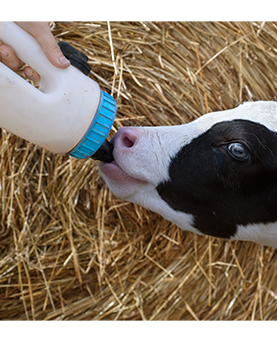
How nutrient requirements guide preweaned calf nutrition
During the preweaning period, calves depend heavily on milk or milk replacer to provide the energy, protein, vitamins and minerals needed for maintenance, immune function, growth and development. Feed efficiency is very high during the preweaning period, although so are feed costs. Understanding how much of each nutrient a calf needs and its requirements in different environments and growth stages are important when developing a feeding program.

What's in the milk? The science behind nutrition, quality and consumer confidence
For Ontario dairy farmers, producing quality milk begins long before the milking system starts operating. It begins with the feed ration, where carefully calculated combinations of forages, grains, proteins, vitamins and minerals support the health and productivity of cows.


Around the table
Nutrition is often spoken about in terms of what the body needs. Protein, energy, minerals, balance. In agriculture, and especially in dairy, we understand the importance of feeding well. We know that what is offered, when it is offered and how consistently it is offered, matters.